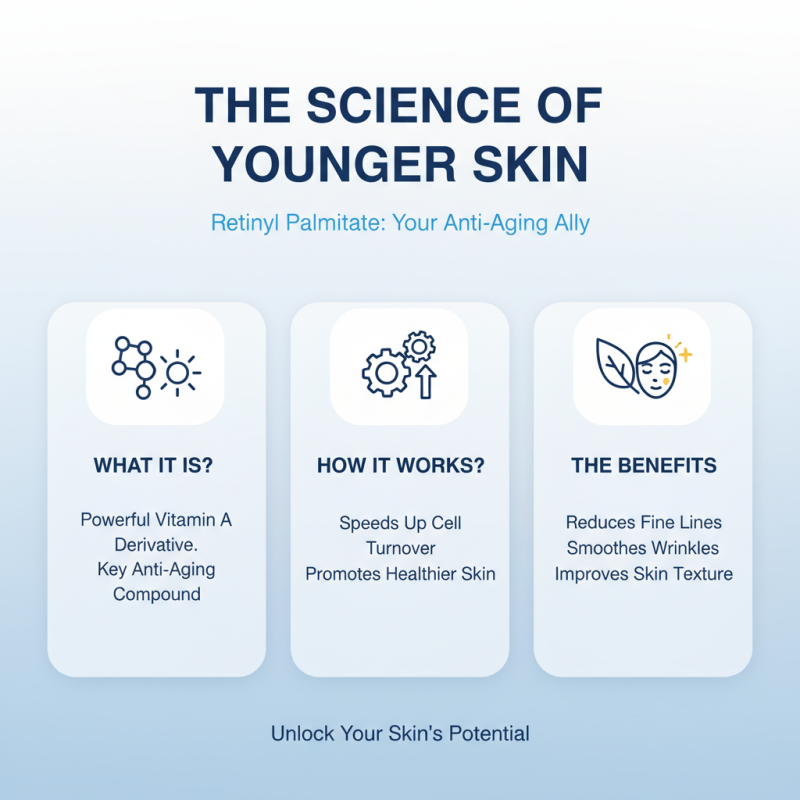
When it comes to skincare, the ingredient calledRetinyl Palmitate Vitamin A Derivative has been getting a lot of buzz lately. I mean, Dr. Emily Stanton from the Radiant Skin Institute—she's pretty well-known in the dermatology world—says it’s got some really impressive benefits for skin renewal. Lots of skincare fans have started to swear by it because they’ve seen improvements in their skin’s texture and an overall reduction in signs of aging.
Basically, Retinyl Palmitate is a gentler form of Vitamin A. Unlike the stronger retinoids, it tends to play nicer with the skin, reducing the risk of nasty side effects. People who’ve used it regularly often notice brighter, clearer skin and a more even tone. Since it’s fat-soluble, it sinks into the skin pretty easily, giving your skin the nutrients it needs right where they count.
That said, it’s important to keep in mind that everyone’s skin reacts differently. Some folks might see fantastic results, while others could experience irritation or sensitivity, which is why a quick patch test never hurts. If you’re just starting out with retinoids, it’s definitely a good idea to be cautious and take it slow—you want to enjoy the benefits without upsetting your skin.
Unique Properties of Retinyl Palmitate as a Vitamin A Derivative
Retinyl palmitate is a unique derivative of vitamin A. This compound is known for its ability to promote skin health. It acts as a powerful antioxidant, helping to fight free radicals. This reduction of oxidative stress is crucial for maintaining youthful skin. Unlike some stronger retinoids, retinyl palmitate is gentler. It is suitable for Sensitive Skin types, making it popular in many formulations.
Its properties make retinyl palmitate effective for various skin concerns. It promotes cell turnover, which can improve skin texture. Users often report a more radiant complexion after consistent use. This vitamin A derivative helps stimulate collagen production, too. Over time, this can lead to a reduction in fine lines and wrinkles. However, results may vary, and patience is key.
Despite its benefits, some may experience irritation. A patch test is advisable before full application. Understanding one's unique skin type is vital. Having realistic expectations will enhance the experience. Retinyl palmitate holds promise for many, but individual results depend on consistent use.
Top 10 Benefits of Retinyl Palmitate Vitamin A Derivative
| Benefit | Description |
| Skin Renewal | Promotes the turnover of skin cells, improving texture and tone. |
| Anti-aging | Reduces the appearance of fine lines and wrinkles. |
| Improves Skin elasticity
| Enhances collagen production, resulting in firmer skin. |
| Reduces Hyperpigmentation | Helps to lighten dark spots and uneven skin tone. |
| Enhances Skin Hydration | Promotes moisture retention, leading to hydrated skin. |
| Reduces Acne | Helps unclog pores and prevent breakouts. |
| Protects Against UV Damage | Provides protective effects against sun damage. |
| Improves Skin Radiance | Gives skin a healthy glow and youthful appearance. |
| Supports Overall Skin Health | Enhances skin barrier function and overall resilience. |
Mechanism of Action: How Retinyl Palmitate Benefits the Skin
Retinyl Palmitate is a versatile vitamin A derivative known for its skin benefits. It acts primarily as a retinoid, promoting cell turnover and stimulating collagen production. According to a report by the American Academy of Dermatology, retinoids like Retinyl Palmitate can improve skin texture, minimize fine lines, and reduce hyperpigmentation. These benefits occur because Retinyl Palmitate accelerates the exfoliation of dead skin cells, allowing healthier cells to surface.
When absorbed into the skin, Retinyl Palmitate converts to retinol and then to retinoic acid, the active form of vitamin A. This conversion is crucial for skin health. A study published in the Journal of Investigative Dermatology found that retinoids significantly enhance the synthesis of collagen and elastin, vital proteins responsible for skin elasticity and firmness. However, individual responses to Retinyl Palmitate can vary. Some may experience irritation or dryness, underscoring the importance of tailored skincare routines.
Effective application of Retinyl Palmitate is key. It's typically recommended to start with lower concentrations to gauge the skin's tolerance. Consistency is essential, as results take time—often several weeks. Users should reflect on their skincare needs and monitor their skin's reaction to maximize the benefits of Retinyl Palmitate. Up-to-date research highlights a balance between efficacy and safety, making informed choices critical for desired results.
Top Skin Health Benefits of Retinyl Palmitate in Skincare Products
Retinyl palmitate, a derivative of vitamin A, offers compelling skin health benefits. Research shows it promotes collagen production, critical for skin elasticity and firmness. A study published in the "Journal of Cosmetic Dermatology" notes that retinoids can improve skin texture by 30% within 12 weeks. This substantial improvement is appealing to many seeking youthful skin.
Additionally, retinyl palmitate helps address hyperpigmentation. It enhances cell turnover, gradually lightening dark spots and uneven tone. Dermatologists highlight that consistent use can show visible results after 8-12 weeks. However, using retinoids can lead to irritation for some. Skin sensitivity may occur, particularly for those new to these compounds. It's essential to introduce retinyl palmitate gradually and monitor your skin's response.
Moisturization is another significant benefit. This vitamin A derivative keeps the skin hydrated and prevents dryness, a common issue with retinoids. A study in the "International Journal of Dermatology" emphasizes the importance of pairing retinol products with moisturizers to minimize side effects. Finding that balance in your skincare routine can enhance overall outcomes and ensure your skin remains healthy and vibrant.
Role of Retinyl Palmitate in Anti-Aging Treatments and Products
Retinyl palmitate is a powerful derivative of vitamin A. It plays a crucial role in anti-aging treatments and products. Many skincare enthusiasts praise its effectiveness in reducing the appearance of fine lines and wrinkles. This compound works by speeding up cell turnover, promoting healthier skin texture.
In anti-aging formulations, retinyl palmitate enhances collagen production. Increased collagen leads to firmer, plumper skin. However, it’s worth noting that this ingredient may cause irritation in some skin types. Patch testing is often recommended before full application. Some users report redness or peeling after use, highlighting the need for gradual introduction into routines.
Although retinyl palmitate shows promising benefits, its efficacy can vary. Individual reactions depend on skin type and sensitivity. Many people find that results take time. While some may see improvements within weeks, others may need months of consistent use. This variability encourages a thoughtful approach to incorporating retinyl palmitate in anti-aging regimens.
Impact of Retinyl Palmitate on Skin Cell Turnover and Renewal
Retinyl palmitate, a vitamin A derivative, plays a crucial role in skin cell turnover and renewal. Research indicates that it can significantly enhance the skin's natural exfoliation process. A study published in the Journal of Dermatological Science highlights its ability to increase cell turnover by up to 30%. This can lead to smoother and more youthful-looking skin.
Tips for incorporating retinyl palmitate: Start with a low concentration to avoid irritation. Gradually increase the usage frequency as your skin adapts. This ensures the skin's barrier remains intact.
Also, retinyl palmitate helps improve skin texture by promoting the production of collagen and elastin. However, there’s a need for caution. Overuse can lead to dryness or peeling, especially in sensitive individuals. Monitoring skin reactions is essential.
Consider complementing retinyl palmitate with an Oil-Soluble Vitamin C Derivative for added antioxidant protection. This combination can address signs of aging and enhance overall skin radiance. Balancing these ingredients can lead to a more resilient skin barrier. Exploring these benefits is vital for achieving optimal skin health.
Potential Side Effects and Considerations for Using Retinyl Palmitate
Retinyl palmitate, a Vitamin A Derivative, offers numerous skin benefits, but it also comes with potential side effects. This compound can cause irritation for some users, especially those with sensitive skin. It's essential to perform a patch test before incorporating it into your skincare routine. Sometimes, even those without sensitive skin can experience dryness or redness. Understanding these reactions helps you make informed choices about your skincare.
Moreover, retinyl palmitate may increase sun sensitivity. Using it in your nightly routine is often recommended, but daytime application might not suit everyone. Always pair it with sunscreen during the day to protect your skin. Some people also report peeling or flaking skin as they adjust to this Vitamin A derivative. These side effects can be a sign of your skin adjusting, but it's crucial to listen to your body. If irritation persists, consulting a skincare professional is wise to tailor your routine effectively.
Comparative Analysis: Retinyl Palmitate vs. Other Vitamin A Derivatives
Retinyl Palmitate is effective but not without its limitations. This vitamin A derivative is known for its ability to promote healthy skin. It encourages cell turnover and may reduce the appearance of fine lines. However, its efficacy can be less potent compared to other derivatives. For instance, compare it with retinaldehyde and tretinoin, which deliver faster results in skin renewal. Yet, both come with potential irritation.
In contrast, the Oil-Soluble Vitamin C Derivative Tetrahexyldecyl Ascorbate offers unique benefits too. It's known for its stability and ability to penetrate the skin easily, providing antioxidant protection. While Retinyl Palmitate might be gentler on the skin, Tetrahexyldecyl Ascorbate excels in brightening and improving texture. However, the effectiveness of any derivative often depends on individual skin types. Users need to reflect on their personal skincare goals to choose wisely.
Each option has its pros and cons. Some people may prefer the subtle effects of Retinyl Palmitate. Others might lean towards the vibrant results of Tetrahexyldecyl Ascorbate. Understanding these differences is essential for informed skincare choices. Consider what works best for your skin and always consult with a skincare professional when needed.
FAQS
: Retinyl palmitate is a vitamin A derivative known for its anti-aging properties.
It speeds up cell turnover and enhances collagen production. This leads to firmer and smoother skin.
No, some individuals may experience irritation. Patch testing is advisable to check for reactions.
Results vary. Some users see changes in weeks, while others may need months of use.
Users may experience redness or peeling, particularly with overuse or sensitive skin.
Begin with a low concentration and gradually increase usage. This helps prevent irritation.
Yes, pairing it with certain vitamin C derivatives may enhance its effects and overall skin health.
Absolutely. Observing how your skin responds is crucial to avoid adverse effects.
A gradual introduction helps keep the skin barrier intact and minimize irritation.
Yes, overuse can lead to dryness and peeling, especially in sensitive individuals.
Conclusion
Retinyl Palmitate, a Vitamin A derivative, offers numerous skin health benefits that make it a popular ingredient in skincare products. Its unique properties facilitate effective skin absorption, enabling it to promote collagen production, enhance skin texture, and reduce the appearance of fine lines and wrinkles. The mechanism of action of Retinyl Palmitate involves stimulating skin cell turnover and renewal, contributing to a more vibrant complexion and minimizing signs of aging.
However, users should be aware of potential side effects, such as irritation or sensitivity, particularly for those with sensitive skin. A comparative analysis with other Vitamin A derivatives highlights Retinyl Palmitate's gentler profile, making it suitable for a wider audience. Overall, the incorporation of Retinyl Palmitate in anti-aging treatments demonstrates its significant role in improving skin health and appearance, while also encouraging informed usage to maximize its benefits.