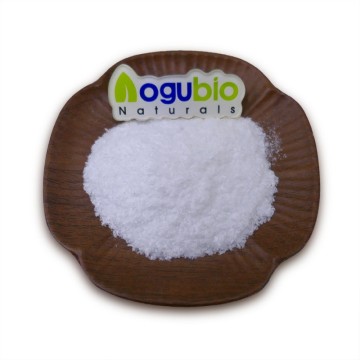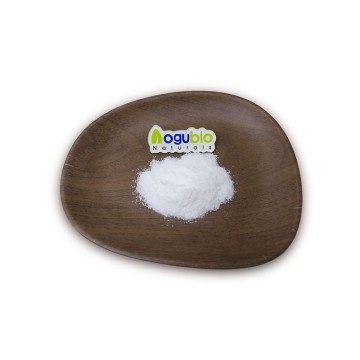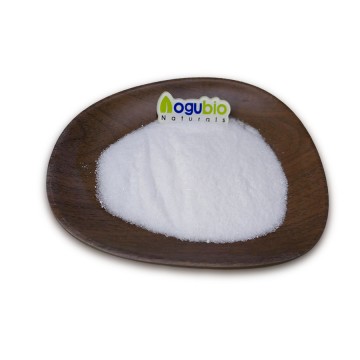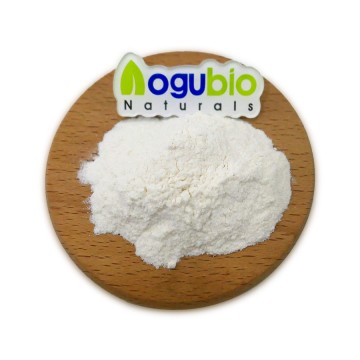
Integrating Kojic Acid with these premium raw materials creates highly effective, stable, and comprehensive formulations for treating hyperpigmentation, uneven skin tone, and deep-layer dark spots.
In the realm of advanced dermatological science, Kojic Acid (5-hydroxy-2-hydroxymethyl-4-pyrone) stands as a paramount chelating agent produced by several species of fungi, particularly Aspergillus oryzae. Its primary mechanism of action in skincare, specifically for hyperpigmentation and dark-spot eradication, revolves around the potent inhibition of tyrosinase. Tyrosinase is the critical rate-limiting copper-containing enzyme involved in the biosynthesis of melanin. Kojic acid effectively chelates the copper ions present in the active site of the tyrosinase enzyme, thereby halting the conversion of tyrosine to DOPA and subsequently to dopaquinone.
This molecular intervention makes Kojic Acid exceptionally effective in treating melasma, post-inflammatory hyperpigmentation (PIH), solar lentigines, and age spots. Unlike some aggressive bleaching agents that can cause melanocyte cytotoxicity, Kojic Acid offers a targeted, non-cytotoxic approach to regulating melanin production, making it a cornerstone ingredient in modern cosmeceutical formulations designed for long-term skin brightening and tone evening.
The global market for skin-lightening and depigmenting agents has witnessed exponential growth, with Kojic Acid capturing a significant market share. Industrially, the shift towards bio-fermentation processes has revolutionized the commercial production of Kojic Acid. Modern biochemical engineering allows for high-yield, high-purity extraction, ensuring that the raw material meets the stringent standards required for premium cosmetic grades. The global Kojic acid market is projected to expand robustly, driven heavily by the Asia-Pacific and North American regions where consumer demand for efficacious, scientifically-backed hyperpigmentation solutions is at an all-time high.
Commercially, the ingredient is no longer isolated to niche clinical treatments. It is now widely integrated into OTC (over-the-counter) serums, creams, and soaps. However, the industrial challenge lies in its stability. Kojic Acid is prone to oxidation and photodegradation when exposed to light and air. This has sparked a surge in industrial innovation, leading to the development of Kojic Acid Dipalmitate (KAD)—a more stable, oil-soluble derivative—and advanced encapsulation technologies that protect the active molecule until it reaches the targeted dermal layers.
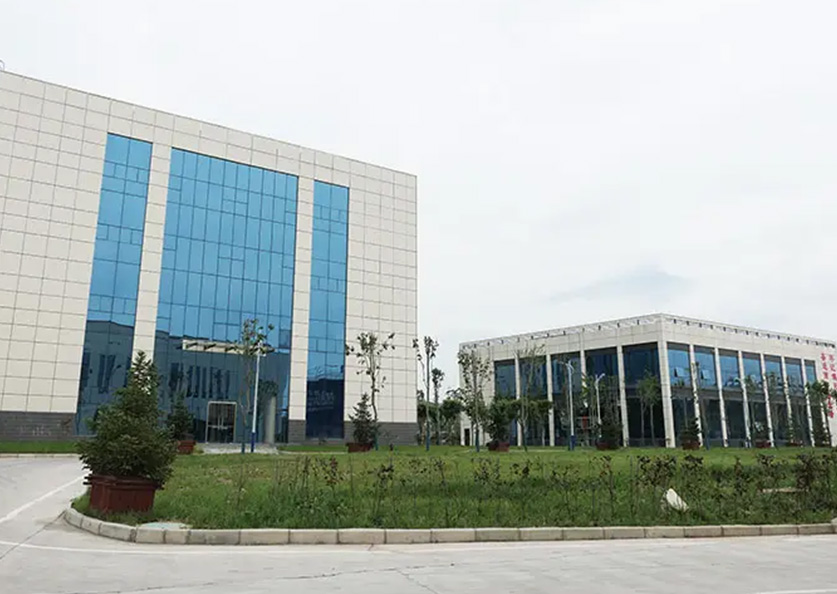
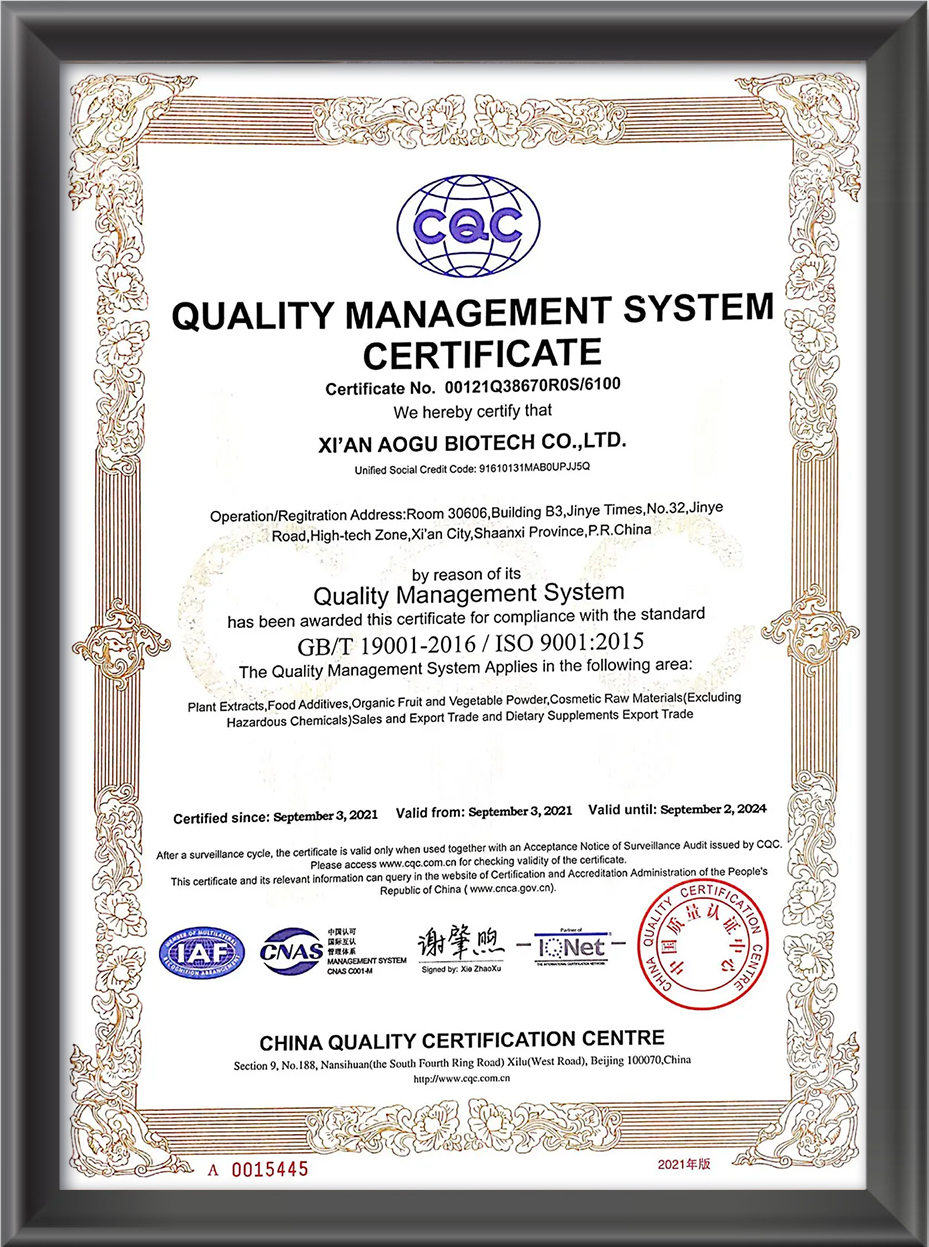
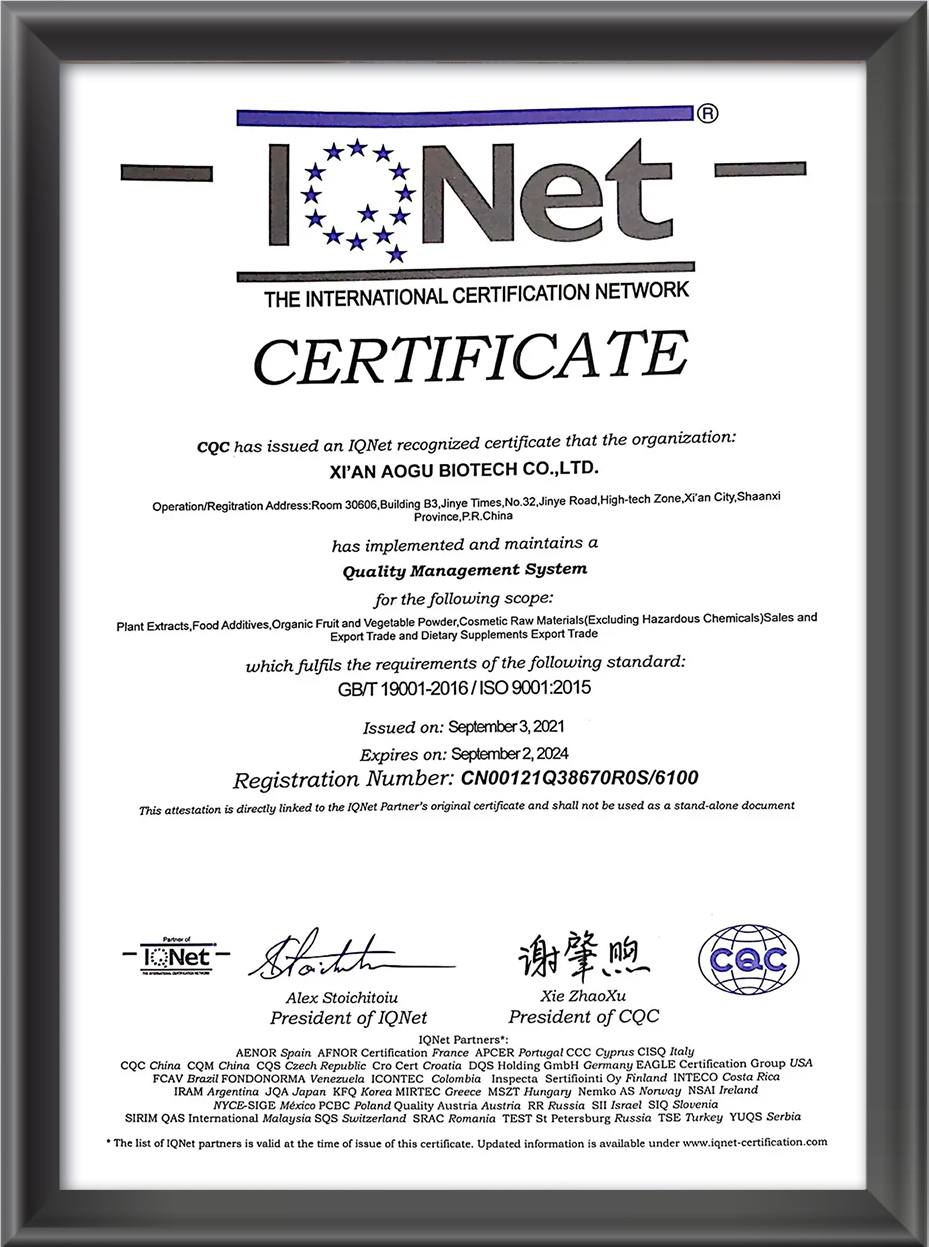
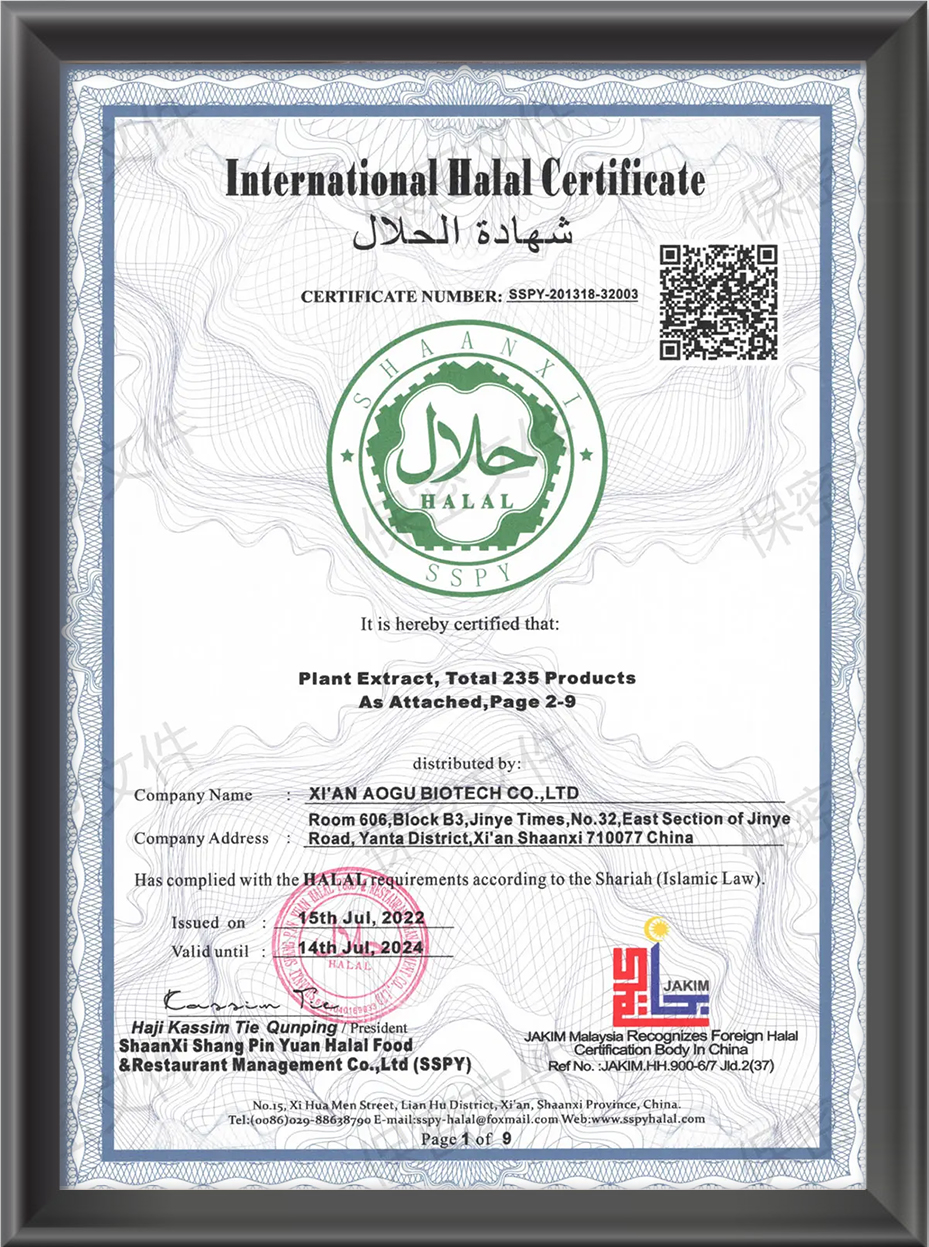
Founded in 2013 and headquartered in the prestigious high-tech zone of Xi'an, Xi'an Aoge Biotech Co., Ltd., along with its subsidiaries Xi'an Imaherb Biotech Co., Ltd. and Xi'an Nahanutri Biotech Co., Ltd., has established itself as a leading force in the cosmetics raw materials industry.
Our expansive cooperative factory, spanning 1,000 mu (approximately 165 acres), is equipped with state-of-the-art extraction technology. This advanced infrastructure allows us to manufacture a wide array of premium cosmetic raw materials. Our product line includes natural plant extracts specifically designed for organic cosmetics, as well as synthetic ingredients for high-end skincare formulations. These raw materials serve as the foundation for a multitude of skincare, haircare, and makeup products, ensuring superior quality and efficacy throughout the entire production process.
View More
The application of Kojic Acid extends far beyond simple topical creams. In modern dermatology and cosmetic chemistry, it is utilized in highly sophisticated, multi-modal treatment protocols. Understanding these deep application scenarios is crucial for formulators and brands aiming to dominate the hyperpigmentation skincare market.
In clinical settings, Kojic Acid is rarely used in isolation. Its true potential is unlocked through synergistic compounding. For instance, combining Kojic Acid with High Purity Tranexamic Acid creates a dual-action pathway: while Kojic Acid inhibits tyrosinase, Tranexamic Acid blocks the plasminogen/plasmin pathway, reducing the inflammatory signaling that triggers melanin synthesis. This combination is particularly effective for stubborn melasma.
Furthermore, pairing Kojic Acid with Vitamin C (L-ascorbic Acid) or Ethyl Ascorbic Acid provides a powerful antioxidant shield. Vitamin C neutralizes the oxidative stress that exacerbates dark spots, while simultaneously reducing oxidized melanin back to a lighter color. To ensure these active ingredients penetrate the stratum corneum effectively, formulation chemists are increasingly relying on penetration enhancers and moisturizing bases like High-Efficiency Polyglutamic Acid, which hydrates the skin matrix and facilitates trans-epidermal delivery without compromising the skin barrier.
The future of Kojic Acid in skincare is being rapidly reshaped by Artificial Intelligence (AI) and advanced biotechnology. AI algorithms are now being deployed to predict the exact degradation pathways of Kojic Acid under various environmental stressors, allowing chemists to design highly stabilized formulations with unprecedented speed. Machine learning models analyze thousands of ingredient interactions to discover optimal synergistic ratios, minimizing skin irritation while maximizing depigmenting efficacy.
Biotechnological advancements have also introduced liposomal encapsulation and nano-emulsion technologies. By encapsulating Kojic Acid within nano-sized lipid bilayers, manufacturers can protect the active ingredient from premature oxidation and ensure time-released delivery directly to the melanocytes located at the basal layer of the epidermis. This AI-optimized nano-delivery system represents the pinnacle of modern cosmetic science, transforming traditional dark-spot treatments into smart, precision-targeted skincare solutions.
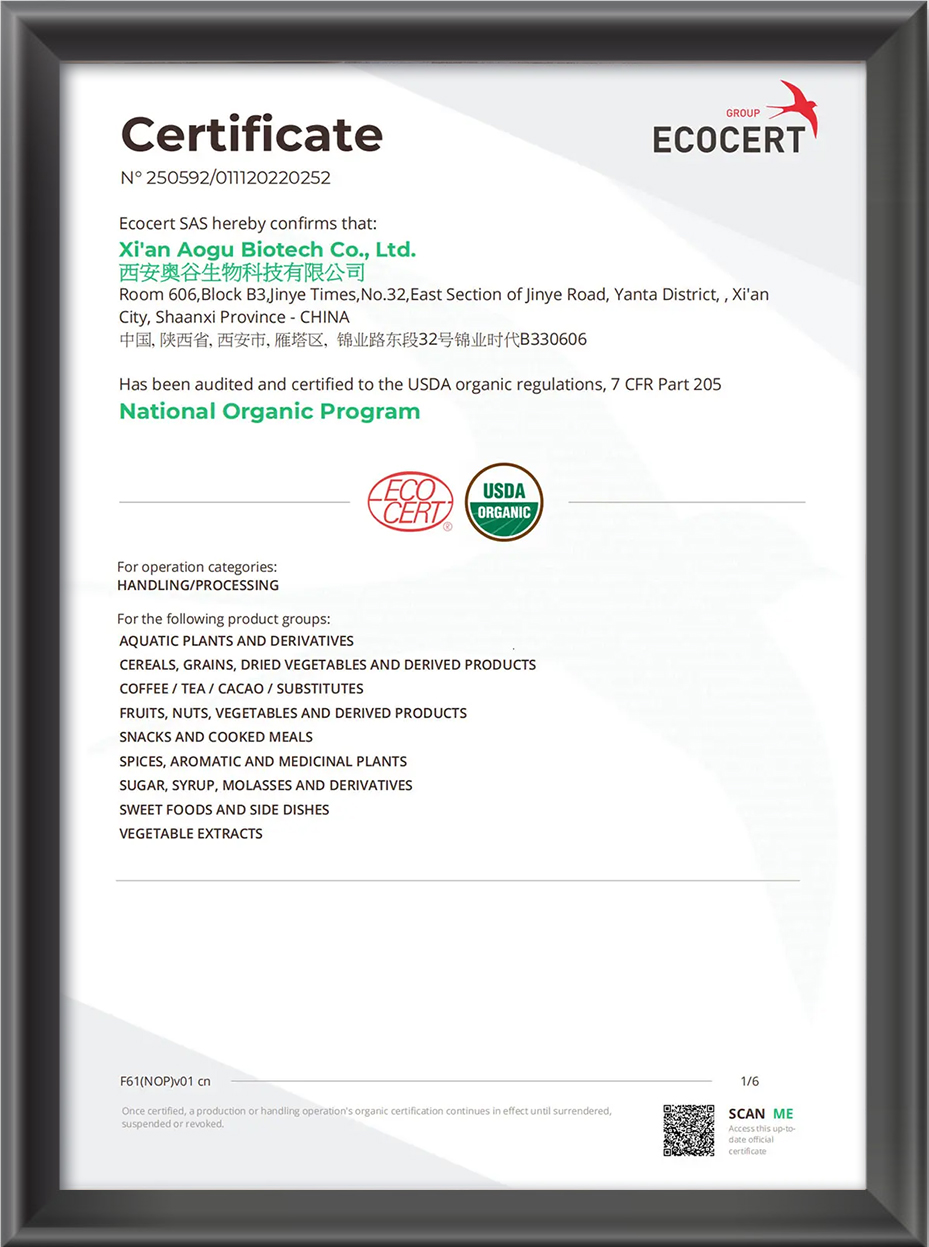
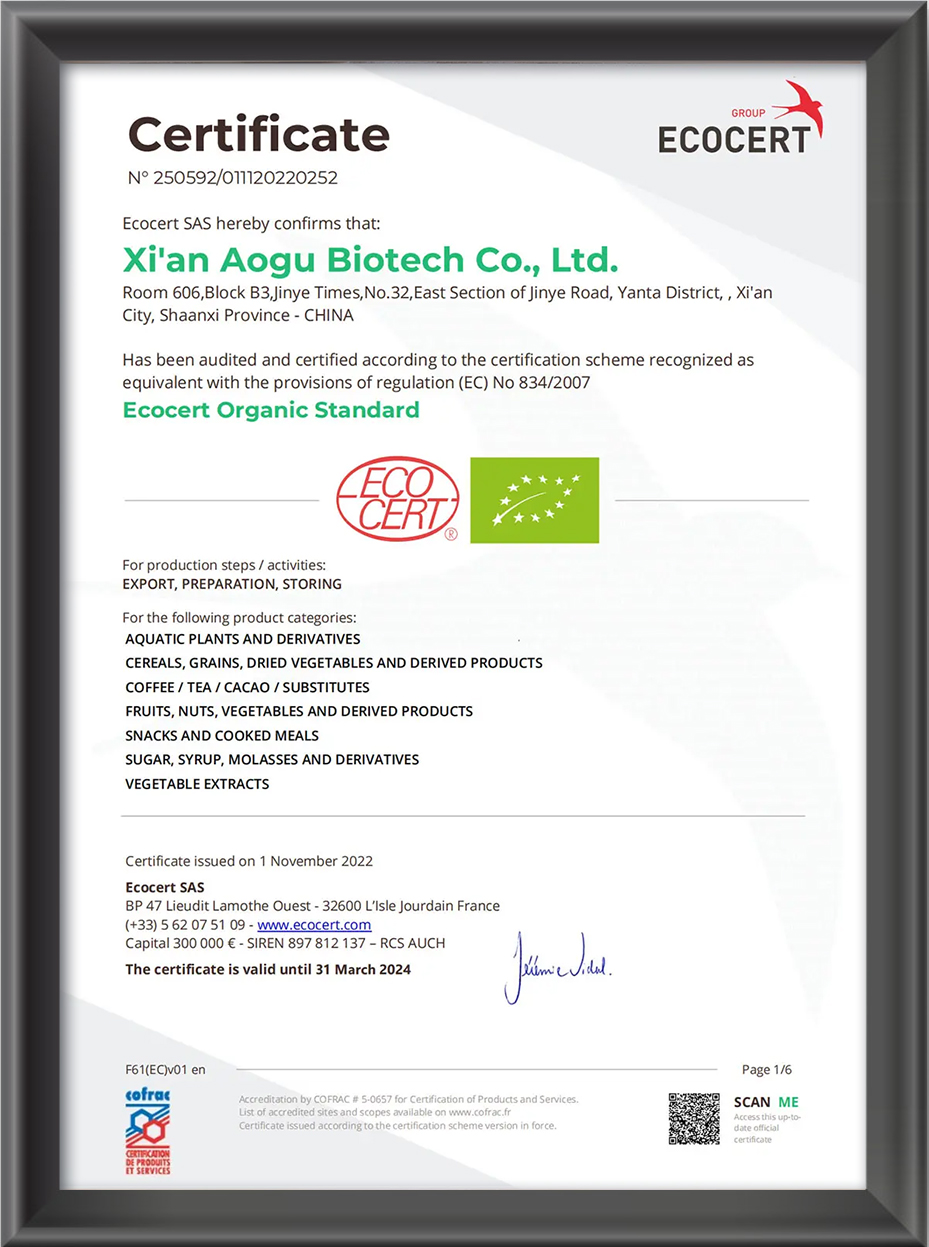
Navigating the regulatory landscape is essential for the commercial success of Kojic Acid products. Globally, regulatory bodies such as the FDA (USA), EMA (Europe), and NMPA (China) have established strict guidelines regarding the permissible concentration of Kojic Acid in cosmetics, typically capping it at 1.0% to 2.0% for leave-on products. This regulation ensures consumer safety, mitigating risks of contact dermatitis or erythema. As a leading supplier, ensuring raw materials comply with these rigorous international standards, supported by comprehensive UPLC, HPLC, and GC-MS testing, is non-negotiable for maintaining brand integrity and consumer trust in hyperpigmentation treatments.
Partner with us to elevate your cosmetic formulations with premium, lab-tested raw materials.
Get product samplesOur in-house lab uses advanced instruments like UPLC, HPLC, GC-MS, ICP-MS for quality control, ensuring raw materials meet strict international standards.