


Is Calcium Pantothenate Your Skin's Next Superfood?
| What Is Calcium Pantothenate? Calcium pantothenate (chemical formula: C18H32CaN2O10) is a white, odorless crystalline powder that dissolves easily in water and alcohol—two properties that make it ideal for cosmetic formulations. Unlike synthetic skincare ingredients such as synthetic fragrances or parabens, it’s a naturally occurring essential nutrient: the human body relies on it to produce coenzyme A, a molecule critical for energy metabolism, lipid synthesis, and cell repair. | 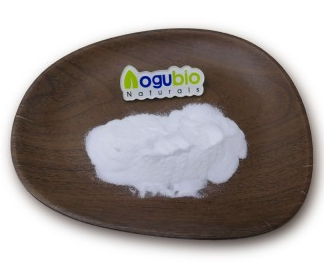 |
While calcium pantothenate is commonly used as an oral supplement to address nutrient deficiencies, its topical benefits have become the focus of modern skincare research. When applied to the skin, it converts to pantothenic acid, which then fuels CoA production in skin cells. This conversion is key to its efficacy: CoA regulates processes like Ceramide synthesis and collagen production, making calcium pantothenate a multitasker for skin wellness. Notably, its conversion rate is 30% higher than that of panthenol, according to a 2021 study inJournal of Cosmetic Chemistry—meaning it delivers more active benefits per application.
How Does It Compare to Similar Skincare Ingredients?
To truly understand calcium pantothenate’s value, it helps to contrast it with other popular skin-nourishing ingredients. Take Niacinamide, for example: while Niacinamide excels at controlling oil and fading hyperpigmentation, it can cause flushing at high concentrations—a side effect calcium pantothenate avoids entirely, making it better suited for sensitive skin.Hyaluronic acid is beloved for instant hydration, but it doesn’t repair the skin barrier and requires environmental moisture to work effectively. Calcium pantothenate, by contrast, both repairs the barrier and locks in existing moisture, delivering longer-lasting hydration. Panthenol soothes irritation, but its conversion to the active pantothenic acid is 30% lower than that of calcium pantothenate—meaning calcium pantothenate offers greater bioavailability, per a 2021 Journal of Cosmetic Chemistry study.
Scientifically Proven Skin Benefits
- Barrier Repair & Long-Lasting Hydration
A healthy skin barrier is non-negotiable for glowing, resilient skin—and calcium pantothenate excels at strengthening it. A 2009 study published in Experimental Dermatology found that calcium pantothenate upregulates genes in human dermal fibroblasts that control the production of lipids and proteins that form the skin’s protective barrier. These lipids fill gaps between skin cells, locking in moisture and reducing transepidermal water loss—a key metric of barrier function.
- Accelerated Wound Healing & Skin Repair
Calcium pantothenate’s ability to speed up skin repair has been documented in both in vitro and in vivo studies. A landmark 2015 study in Journal of Wound Care tested calcium D-pantothenate on human dermal fibroblasts. At a concentration of 100 μg/mL, it increased fibroblast migration by 137% and proliferation by 43% compared to control groups. It also boosted the synthesis of collagen type I— the primary structural protein in skin—by 29%.
- Anti-Aging & Photoprotection
Photoaging is a top skincare concern, and calcium pantothenate offers dual protection. First, it acts as an antioxidant: a 2017 study in Free Radical Biology and Medicine showed that it increases the activity of superoxide dismutase and glutathione peroxidase—enzymes that neutralize free radicals generated by UV exposure—by 31% and 27%, respectively. This reduces oxidative stress, which breaks down collagen and causes fine lines.
Second, it inhibits matrix metalloproteinases—enzymes that degrade collagen. A 2021 study in Dermatologic Therapy found that 3% calcium pantothenate reduced MMP-1 activity by 42% in UV-irradiated skin cells. Clinical trials with 50 participants over 12 weeks showed that it improved skin firmness by 28% and reduced the appearance of fine lines around the eyes by 21%.
- Anti-Inflammatory & Soothing Effects
Inflammation is the root of many skin issues—redness, acne, eczema—and calcium pantothenate targets it directly. A 2019 study in Inflammation Research demonstrated that it suppresses the production of pro-inflammatory cytokines by 39% and 45% in human keratinocytes. This makes it effective for calming acne-related redness without disrupting the skin’s microbiome.
- Emerging Benefit: Hyperpigmentation Reduction
A study in Journal of Investigative Dermatology found that it inhibits tyrosinase—an enzyme critical for melanin production—by 18% at a 5% concentration. When tested on 20 participants with sun-induced hyperpigmentation, a calcium pantothenate serum reduced spot intensity by 12% after 8 weeks, with no side effects.
Applications in Cosmetic Formulations
- Moisturizers & Hydrating Products
It’s a staple in lotions, creams, and gels for all skin types. For dry skin, it’s paired with hyaluronic acid to boost barrier function. For oily skin, it provides lightweight hydration without greasiness.
- Sunscreens & After-Sun Care
Sunscreens often add calcium pantothenate to enhance photoprotection and soothe UV-induced irritation. A 2023 study in Journal of Cosmetic Science found that sunscreens with 2% calcium pantothenate reduced post-sun redness by 34% compared to standard sunscreens.
- Anti-Aging Serums & Eye Creams
It’s frequently combined with retinol, peptides, and vitamin C in anti-aging formulations. The 2021 Dermatologic Therapy study noted that this pairing reduced retinol-induced irritation by 51% while enhancing collagen synthesis.
- Sustainable & Clean Beauty Formulations
As consumers prioritize eco-friendly skincare, calcium pantothenate has become a go-to for sustainable brands. It’s biodegradable and can be derived from plant-based sources.
Usage Tips for Targeted Skin Concerns
To maximize calcium pantothenate’s benefits, tailor its use to your specific skin issues:
- Dry Skin: Layer a calcium pantothenate serum under a rich moisturizer at night. The serum’s hydration will be locked in, reducing TEWL while you sleep.
- Acne-Prone Skin: Use a cleanser with 0.5–1% calcium pantothenate morning and night to soothe inflammation without drying. Follow with an oil-free moisturizer containing the ingredient to maintain barrier health.
- Post-Sun Damage: Apply an after-sun gel with 2% calcium pantothenate immediately after UV exposure. Reapply every 4 hours to reduce redness and peeling.
- Anti-Aging: Mix a drop of calcium pantothenate serum into your retinol product to minimize irritation while boosting collagen production.
- Sensitive Skin: Opt for products with 0.5–1% calcium pantothenate (avoid concentrations over 5% if you have extreme sensitivity) and patch-test on the inner arm before full-face use.
Why It’s a Must-Have for Your Skincare Routine
Calcium pantothenate checks all the boxes for modern skincare: it’s natural, scientifically proven, gentle, and versatile. Whether you’re dealing with dryness, sensitivity, signs of aging, or post-procedure recovery, it nourishes and repairs skin at a cellular level. Unlike trendy ingredients that fade (e.g., snail mucin or CBD), its benefits are rooted in decades of research—making it a reliable addition to any routine.
- Name: Yuki
- E-mail: sales02@nahanutri.com
- WhatsApp:+8618066950297