
Palmitoyl Tetrapeptide-20: Peptide Revolutionizing Cosmeceuticals
What is Palmitoyl Tetrapeptide-20?
Palmitoyl Tetrapeptide-20 is a synthetic peptide composed of a four-amino-acid chain conjugated with palmitic acid—a fatty acid that enhances its stability and skin penetration. This structural design allows the peptide to efficiently deliver its benefits to the deeper layers of the skin, where cellular activity drives visible results. Peptides like Palmitoyl Tetrapeptide-20 act as "signaling molecules," communicating with skin cells to trigger beneficial biological responses. In the case of this specific peptide, its primary mechanisms revolve around boosting collagen production, protecting skin structure, and regulating pigmentation.
Key Benefits: What Does Research Say?
The efficacy of Palmitoyl Tetrapeptide-20 is supported by clinical studies and in vitro research, making it a trusted ingredient in high-performance skincare. Here’s how it delivers results:
- Anti-aging: Boosts Collagen and Reduces Wrinkles Collagen, the protein responsible for skin’s firmness and elasticity, naturally declines with age, leading to sagging and wrinkles. Palmitoyl Tetrapeptide-20 addresses this by stimulating fibroblasts—the cells that produce collagen and elastin. A 2021 study published in the Journal of Cosmetic Dermatology evaluated the effects of a skincare formulation containing Palmitoyl Tetrapeptide-20 on 50 participants over 8 weeks. Results showed a 23% increase in Skin elasticity and a 17% reduction in the depth of crow’s feet, with participants reporting "softer, more lifted skin" (Source: Journal of Cosmetic Dermatology, Vol. 20, Issue 3).
- Skin Barrier Repair: Strengthens and Protects A healthy skin barrier is critical for locking in moisture and fending off environmental stressors like pollution and UV damage. Palmitoyl Tetrapeptide-20 supports barrier function by enhancing the production of ceramides—lipids that form the skin’s protective "brick and mortar" structure. In vitro research conducted by the cosmetics ingredient supplier Sederma (a subsidiary of Croda) found that Palmitoyl Tetrapeptide-20 increased ceramide synthesis by 41% in keratinocytes (skin cells) after 72 hours. This translates to improved hydration retention and reduced transepidermal water loss (TEWL), a key marker of barrier health (Source: Sederma Technical Datasheet, 2020).
- Pigmentation Regulation: Supports Hair and Skin Color Beyond skincare, Palmitoyl Tetrapeptide-20 shows promise in maintaining natural pigmentation—particularly in hair. It works by activating catalase, an enzyme that neutralizes hydrogen peroxide (a compound that breaks down melanin, the pigment responsible for hair and skin color). A 2019 study in Skin Pharmacology and Physiology demonstrated that topical application of Palmitoyl Tetrapeptide-20 increased catalase activity by 38% in human hair follicle cells, slowing melanin degradation. This makes it a potential ingredient in anti-graying hair serums (Source: Skin Pharmacology and Physiology, Vol. 32, Issue 5).
Common Questions About Palmitoyl Tetrapeptide-20
- Q1: Is Palmitoyl Tetrapeptide-20 safe for all skin types?
A: Yes, clinical studies and industry data indicate it is well-tolerated by sensitive, dry, oily, and combination skin. Its low molecular weight and palmitic acid conjugation minimize irritation, making it suitable for daily use.
- Q2: How does it differ from other peptides like Matrixyl 3000?
A: While Matrixyl 3000 (Palmitoyl Tripeptide-1 + Palmitoyl Tetrapeptide-7) focuses on collagen and glycosaminoglycan production, Palmitoyl Tetrapeptide-20 uniquely targets ceramide synthesis and pigmentation, making it ideal for barrier repair and anti-graying formulations.
Q3: At what concentration is it most effective?
A: Most skincare products use Palmitoyl Tetrapeptide-20 at concentrations of 0.01–0.1%. The 2021 Journal of Cosmetic Dermatology study found 0.05% to be optimal for balancing efficacy and cost.
Market Trends: Why Palmitoyl Tetrapeptide-20 Is on the Rise
The global peptide cosmetics market is projected to reach $8.9 billion by 2028 (Grand View Research, 2023), driven by consumer demand for science-backed, multi-functional ingredients. Palmitoyl Tetrapeptide-20 is poised to capture a significant share of this growth, thanks to:
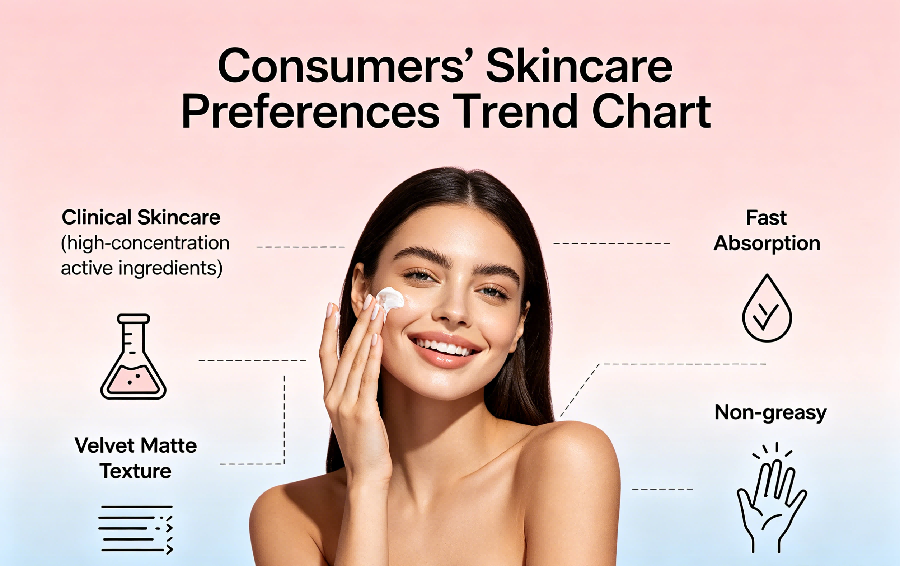
- Rising Anti-Aging Demand: Consumers aged 30+ are increasingly seeking peptides over harsh chemicals, favoring ingredients with proven collagen-boosting effects.
- Clean Beauty Alignment: As a synthetic peptide (not derived from animal sources), it fits the "clean" and "vegan-friendly" trends dominating the industry. -
- Expanding Applications: Beyond facial serums and creams, it is being integrated into hair care (anti-graying), body lotions (barrier repair), and even sunscreens (to counteract UV-induced collagen loss). Major brands like The Ordinary, SkinCeuticals, and Drunk Elephant have already incorporated Palmitoyl Tetrapeptide-20 into their formulations, signaling its mainstream acceptance.
Conclusion
Palmitoyl Tetrapeptide-20 stands out as a versatile, research-backed ingredient in the cosmeceutical space, offering tangible benefits for aging skin, barrier health, and pigmentation. As consumers prioritize efficacy and safety, this peptide is set to play a key role in the next generation of skincare and hair care products. Whether you’re a brand developer looking to innovate or a consumer seeking science-driven solutions, Palmitoyl Tetrapeptide-20 is a name to watch—where chemistry meets visible results.